
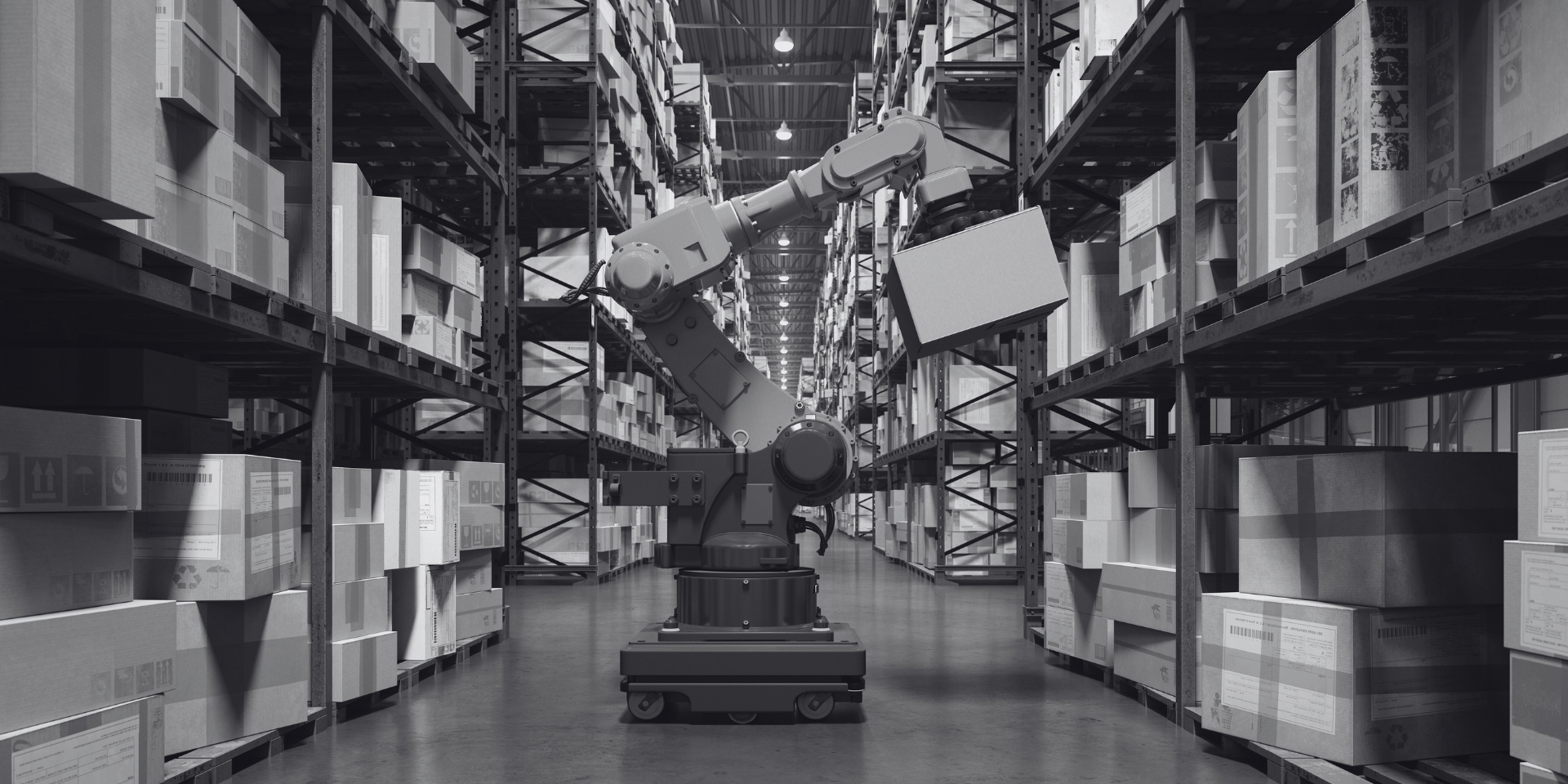
The warehouse automation industry has been evolving at a rapid pace, particularly as businesses aim to stay competitive while meeting rising customer expectations. As we move through 2025, we’ll see several key advances in the sector that not only aim to tackle the challenges of 2024 but also set the stage for the future. Here’s a look at what to expect this year.
Robotic systems to replace dangerous jobs
One of the most significant advancements in warehouse automation is the increased use of robotics to replace dangerous, physically demanding jobs. These robotic systems are designed to work alongside human employees, taking on tasks that are repetitive, strenuous or hazardous to human health. The growing adoption of collaborative robotics (or “cobots”) is helping businesses reduce workplace injuries while improving overall efficiency.
These systems allow human workers to focus on more complex tasks, ensuring a safer and more productive environment. As the technology becomes more accessible and affordable, we expect to see a continued push towards greater integration of these robotic systems in warehouses worldwide.
AI and Data Analytics transforming operations
Artificial intelligence (AI) and data analytics are set to play an even bigger role in warehouse operations in 2025. Both technologies will be key in predicting demand fluctuations, identifying potential bottlenecks, and optimizing workflows. By analyzing vast amounts of data, AI will enable warehouses to improve operational efficiency, minimize waste, and reduce overall operating costs.
From inventory management to predicting product demand, AI is becoming indispensable in decision-making processes. With powerful data analytics, warehouse managers can gain real-time insights that enable them to make smarter, more proactive decisions, enhancing productivity and customer satisfaction.
Increasing customer expectations for faster deliveries
From inventory management to predicting product demand, AI is becoming indispensable in decision-making processes. With powerful data analytics, warehouse managers can gain real-time insights that enable them to make smarter, more proactive decisions, enhancing productivity and customer satisfaction.
As e-commerce continues to grow, so do customer expectations, especially when it comes to delivery times. Consumers increasingly expect faster delivery and more flexible shipping options. This places pressure on warehouses to increase speed and accuracy in their operations. In 2025, we expect to see even more emphasis on automation technologies that can help meet these demands.
Faster picking systems, automated sorting, and more efficient last-mile delivery strategies will be critical in ensuring businesses can deliver on their promises. The challenge of reducing delivery times without sacrificing accuracy or increasing costs will drive further innovation in warehouse automation.
The changing workforce: New and traditional skills
With these advances in automation, the future of warehouse jobs will evolve. While the rise of robotic systems and AI might raise concerns about job displacement, the reality is that the workforce will need to adapt, acquiring both new and traditional skills to stay relevant in the industry. Skills in AI, data analysis and software engineering will be in high demand, as businesses need experts who can harness the power of automation technologies. At the same time, we expect to see a growing need for employees with traditional skills like PLC programming, controls and robotics.
Additionally, the increasing complexity of automated systems means that service, maintenance, and field staff will need to broaden their skill sets to include knowledge in mechatronics and software. This shift will lead to a greater emphasis on training and upskilling, with businesses investing in their workforce to ensure they have the expertise to maintain and optimize advanced technologies.
Preparing for 2025 and beyond
As we move into 2025, it’s clear that the warehouse automation landscape will continue to evolve, bringing new opportunities and challenges. Businesses must stay ahead of the curve by embracing these technological advancements and ensuring their workforce is prepared for the changes ahead. The key to success in 2025 will be a proactive approach: investing in the latest automation technologies, upskilling employees, and optimizing operations with AI and data analytics.
Warehouse managers and business leaders should act now to ensure they are prepared for the year ahead. By fostering a culture of continuous learning and innovation, they can harness the full potential of these advances in warehouse automation, making their operations more efficient, safer and capable of meeting the growing demands of today’s consumers.
Investing in the future
Warehouse automation is rapidly advancing, and as 2025 progresses, businesses that embrace these changes will be positioned to thrive. From robotic systems taking over dangerous jobs to the transformative power of AI and data analytics, this year will be one of continued progress. For warehouses to stay competitive, they must adapt to the shifting landscape, investing in new technologies and skills. The future of the warehouse industry is here, and it’s driven by innovation, collaboration and the continuous pursuit of efficiency.
We understand the importance of having the right people in the right place at the right time. For more information around the expectations of the highly skilled candidates your business will need this year, download the Talos 2025 Salary Survey here. To discover how our range of tailored staffing solutions can mitigate your hiring challenges, or to find your next role in this exciting industry, fill out our contact form via the button below and one of our expert consultants will be in touch.